
Advanced Treatments for TMJ & Snoring Solutions
Pain-Free Days, Restful Nights, Everyday Wellness
Restorative Wellness Center in Rogers, AR treats TMJ disorder, craniofacial pain, and sleep disordered breathing with custom orthotic appliances, MLS laser therapy, PRF regenerative injections, and wellness and nutrition support, all coordinated by Dr. Kyle Benton in a single practice.
Dr. Kyle Benton and our passionate team provide personalized care to help you find your best self in life and in health!
Patients unsure whether they have TMJ disorder can review the five most reliable signs that warrant a specialist evaluation.
Not sure which option fits your symptoms? Start with a full TMJ treatment evaluation in Rogers, AR to get a personalized plan.
Orthotic Appliance Therapy
Our custom orthotic appliances provide effective relief by stabilizing the TM joint and improving jaw alignment. These devices are designed for both daytime and nighttime use, offering comfort and ease of use.
The phonetic bite analysis protocol we use for appliance fabrication produces meaningfully better outcomes than conventional bite registration, read the full explanation.

MLS Laser Therapy
Advanced Relief for Pain & Inflammation
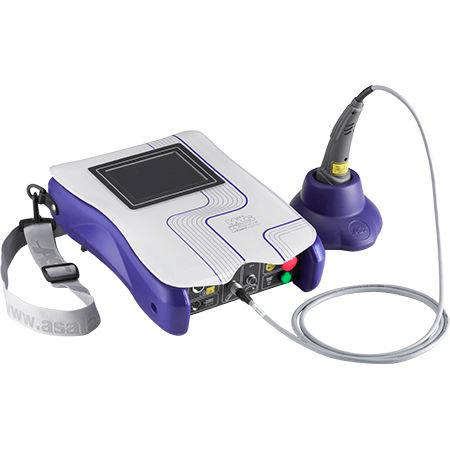
MLS laser therapy uses dual wavelength light to reduce pain and inflammation in the jaw and surrounding tissue without surgery or downtime. Dr. Benton uses it as part of TMJ and craniofacial pain treatment plans, often alongside orthotic appliance therapy.
This non-invasive therapy uses Multiwave Locked System (MLS) laser technology to stimulate tissue repair and reduce inflammation, promoting faster healing and long-lasting relief.
Targeted Healing
Dr. Benton utilizes MLS Laser Therapy to target specific areas of pain and inflammation with precision. The dual wavelengths of the MLS laser penetrate deep into the tissues, accelerating the body’s natural healing processes.
This results in a significant reduction in pain and discomfort, improving your overall quality of life.
Non-Invasive and Effective
One of the most significant advantages of MLS Laser Therapy is its non-invasive nature. Unlike surgical options, this treatment involves no downtime and carries minimal risk of side effects.
Patients often experience noticeable improvements in pain and mobility after just a few sessions, making it an ideal choice for those seeking effective, non-surgical solutions for pain and inflammation management.
Non-Invasive Pain Relief
Low-Level Laser Therapy
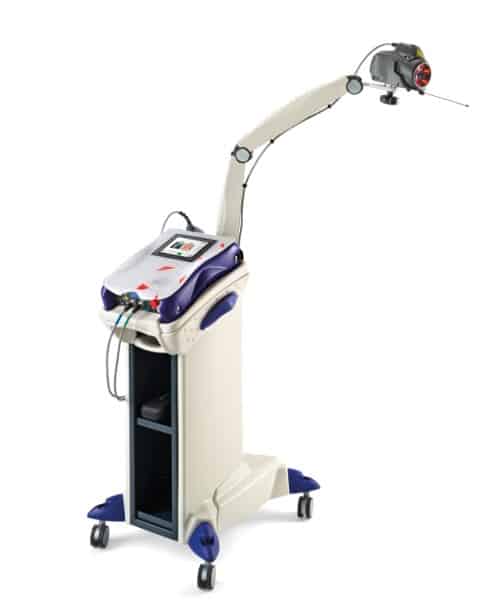
Low-Level Laser Therapy (LLLT) uses focused laser light to reduce inflammation and pain in the jaw, face, and neck. Dr. Benton offers it as a non invasive option for patients with TMJ disorder or craniofacial pain.
This non-invasive therapy promotes cellular regeneration and increases blood flow to the affected areas, aiding in faster healing.
Effective for TMJ & Craniofacial Pain
LLLT is particularly effective for treating TMJ disorders and craniofacial pain as it targets specific areas of discomfort, providing quick and lasting relief. This therapy is an excellent alternative for patients seeking a non-surgical solution to their pain.
Enhanced Treatment Plans
Dr. Benton incorporates LLLT into treatment plans to enhance the overall effectiveness of TMJ and craniofacial pain management. Patients often report significant improvements in pain levels and overall comfort after undergoing this advanced therapy.
Holistic Treatment Methods
Holistic treatment methods focus on addressing the root causes of sleep apnea and craniofacial pain through natural, non-invasive approaches.
These methods include lifestyle modifications, dietary changes, and stress management techniques that promote overall health and well-being.
Dr. Benton emphasizes the importance of treating the whole person, not just the symptoms. By integrating holistic approaches into your treatment plan, we aim to support your body's natural healing processes and provide sustainable relief.
Holistic treatments are particularly beneficial for patients who prefer to avoid invasive procedures. They offer a gentle yet effective way to manage and alleviate symptoms, improving your quality of life.
Additional Treatment Options
Restorative Wellness Center in Rogers, AR treats TMJ disorder, craniofacial pain, and sleep apnea using advanced diagnostics and layered therapies, Dr. Kyle Benton combines CBCT imaging, joint vibration analysis, and PRF regenerative care in a single practice.
Our comprehensive approach means you always get the right care for your unique case, no matter what.
I-Platelet Rich Fibrin (for TMD)
I-Platelet Rich Fibrin (I-PRF) therapy involves using your body's platelets to stimulate healing in the jaw joint. This treatment promotes tissue regeneration and reduces inflammation, providing relief from TMJ disorder symptoms.
Regenerative Joint Injections (PRF)
Prolotherapy in its original form works by irritation. A mild irritant is injected into a ligament or tendon, the body mounts an inflammatory response, and that response is what starts the repair. It is a real technique and it has been used for a long time.
Dr. Benton no longer uses it that way. He uses platelet-rich fibrin instead, prepared from your own blood on the day, with no irritant involved.
The reasoning is about the joint itself. The temporomandibular joint has a poor blood supply, which in his experience is a large part of why it can be slow to heal. In a chronic case the tissue is being irritated every day already, so adding more irritation is not the missing ingredient. What is missing is the material the body would normally bring in through the blood, and that is what PRF is: a concentrate of your own platelets and the growth factors they carry.
Cranial Electro Therapy Stimulation (for Craniofacial Pain)
Cranial Electro Therapy Stimulation (CES) uses low-level electrical currents to alleviate pain and reduce stress. This non-invasive treatment helps manage craniofacial pain by promoting relaxation and improving overall well-being.
SPG Block Therapy (for Headaches & Facial Pain)
SPG block therapy delivers medication to the sphenopalatine ganglion to relieve migraines, headaches, and facial pain without needles. Dr. Benton offers it for patients with complex craniofacial pain patterns.
Wellness & Nutrition
Our approach to treatment includes wellness and nutrition counseling to support your overall health. By focusing on diet and lifestyle changes, we aim to enhance your body's natural ability to heal and maintain your health.