
QUICK ANSWER: TMJ Disorder Treatment at Restorative Wellness Center
Patients travel to Rogers from across Northwest Arkansas, including Bentonville, Fayetteville, and Springdale, for TMJ evaluation and treatment.
- Diagnosis first — iCAT CBCT cone beam imaging, joint vibration analysis (JVA), and range-of-motion assessment to identify the root cause before treatment begins
- Olmos Stabilization Splint (SSC) — custom oral appliance using phonetic bite registration to position the jaw in its optimal functional resting position
- Photobiomodulation (PBM) — in-office laser therapy to reduce muscle tension and joint inflammation within weeks
- PRF (Platelet-Rich Fibrin) — regenerative joint injections for patients with confirmed disc displacement or arthritic joint changes
- Ongoing monitoring — bite verification, symptom tracking, and titration until full stabilization is confirmed
Most patients experience measurable pain reduction within 4 to 8 weeks. Full stabilization typically occurs within 3 to 6 months. Treatment is non-surgical. Dr. Kyle Benton, DDS, FAACP serves Rogers, Bentonville, Springdale, and Fayetteville, AR.
What is TMJ Disorder?
TMJ Treatment Rogers AR: Why Early Care Matters
Focused, Diagnosis-First Care
At Restorative Wellness Center in Rogers, AR, Dr. Kyle Benton treats TMJ disorder using iCAT CBCT imaging, joint vibration analysis, and custom decompression orthotics — a diagnostic-first protocol that most general dental offices in Northwest Arkansas do not offer.
Our holistic approach addresses both TMJ symptoms and their underlying causes, ensuring comprehensive care for each individual. From jaw alignment therapy to specialized sleep solutions, our team provides non-invasive, patient-focused treatments to improve your quality of life. If you are seeking TMJ treatment Rogers AR residents trust, our clinic offers a comprehensive, evidence-based approach tailored to your specific diagnosis.
How TMJ Disorder Progresses Over Time
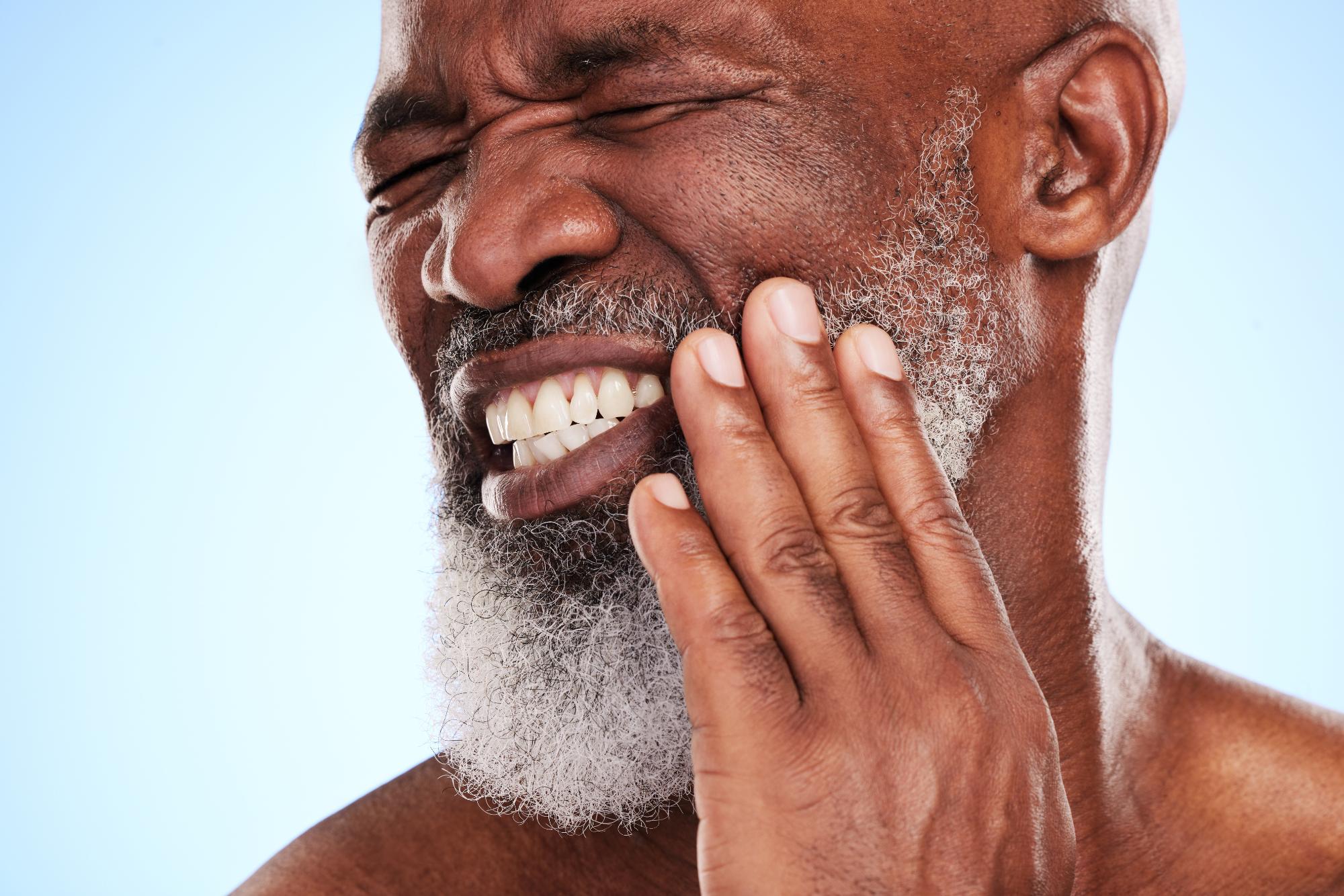
Left unchecked, TMJ disorder can sneakily get worse over time and start to affect your daily life in ways you might not expect. Chronic jaw pain and stiffness can disrupt your sleep, lead to stress-related habits like clenching or grinding your teeth, and even disrupt the alignment of your facial muscles.
Our TMJ Treatments for Patients Near Rogers, AR
We offer a wide range of treatments for TMJ disorder, including:
- Experienced, Focused Care: Our team is dedicated to evaluating and managing TMJ-related concerns.
- Comprehensive Approach: We focus on both TMJ and related sleep disorders, offering a complete range of non-invasive treatments.
- Patient-Focused Care: We take the time to understand your specific needs and develop a treatment plan that’s right for you.

What My Patients Say
Real patients with real jaw pain and sleep problems have found relief here. These reviews come directly from our Google profile.
“I came to Dr. Benton with chronic TMJ pain. I tried all the pathways: chiropractor, ENT, dentist, physical therapy, etc. with no luck. … It truly changed my life. The PRF reduced so much inflammation and pain in my jaw. … It was well worth every dollar spent!!”
— Leah, TMJ Treatment
★★★★★ Verified Google Review
“I was at a 10 pain level when I had my first appt with Restorative Wellness center and Dr Kyle Benton. … Today I had my third appt with Dr Benton and my pain level has dropped from a pain level of 10 to a 1 or 2.”
— Kerry, TMJ and Jaw Pain Treatment
★★★★★ Verified Google Review
“Highly recommend for TMJ! Significant Improvement in jaw pain, and headaches. No longer rubbing bone on bone! Everyone is nice and helpful. Definitely worth a try if you have TMJ issues.”
— Belinda, TMJ Treatment
★★★★★ Verified Google Review
Read all of our reviews on our Google Business Profile.
How I Diagnose TMJ Disorder
The diagnosis of TMJ dysfunction requires more than visual inspection or quick assessment. At my office, we use a structured two hour evaluation that examines not just the joint, but also how your jaw moves during natural function, what your imaging reveals, and what treatment path will actually address the root cause.
When you come in, we start with a detailed history of your pain pattern, the sounds you hear, any treatment you have tried, and whether your jaw locks or limits opening. This tells me whether I am dealing with muscle-dominant TMD, disc displacement, or structural change in the joint itself.
Range of Motion and Joint Loading Assessment. I measure how far your jaw opens, how it moves from side to side, and where pain or limitation occurs. Using Joint Vibration Analysis (JVA), we record and analyze vibrations produced by the jaw joints during opening and closing. JVA is one part of a broader clinical evaluation and does not by itself determine disc position or establish a diagnosis.
Phonetic Bite Analysis. This is central to how we work. Rather than assessing bite from static impressions or maximum intercuspation, I evaluate how your jaw functions during speech. When you say sounds like "s" and "f," your jaw naturally seeks its true working position, the position where the joint is loaded most favorably. This phonetic position is where your bite orthotic will be initially fabricated, not the clenched closed position that most practitioners use.
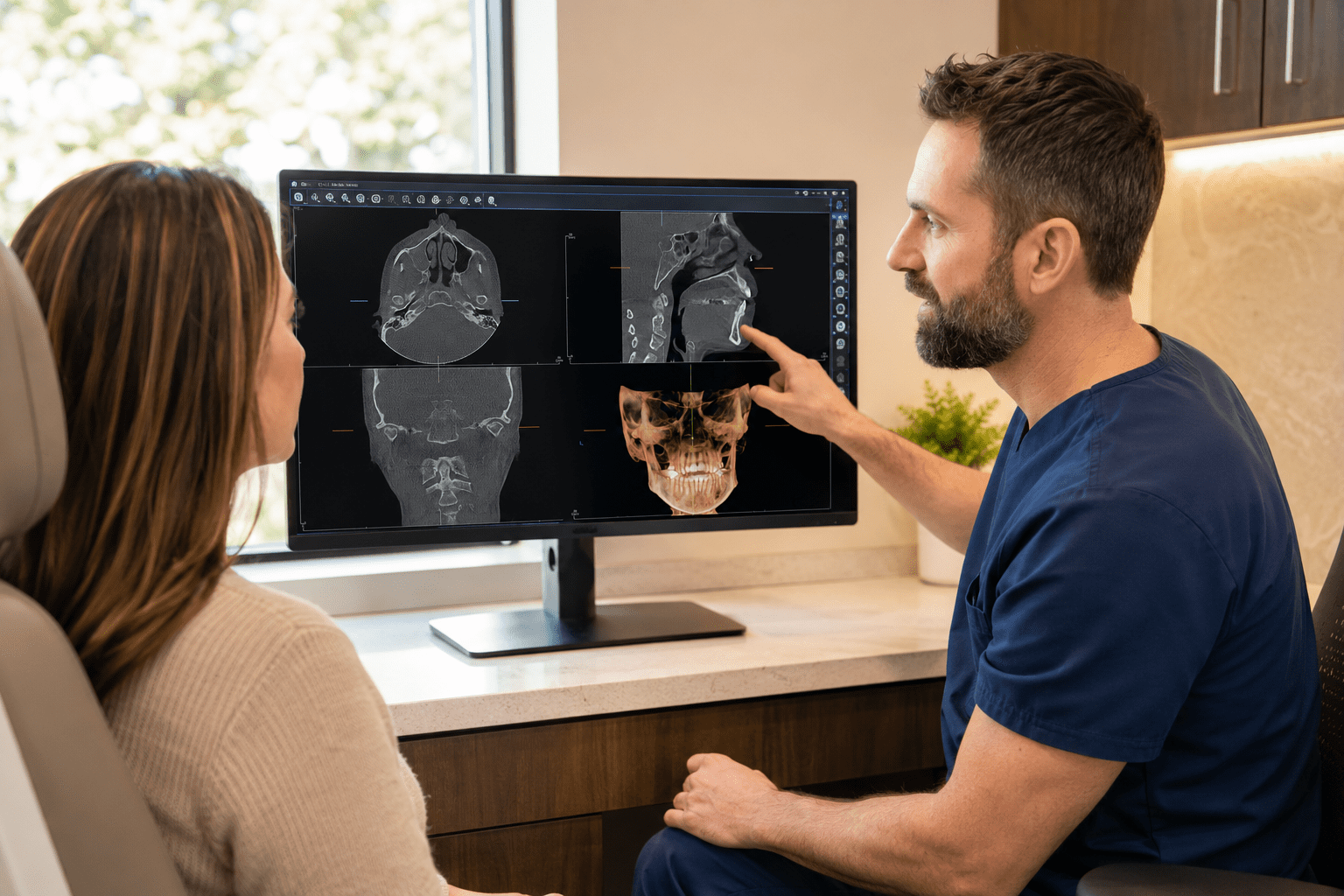
Cone Beam CT Imaging (iCAT CBCT). A cone beam scan shows the three-dimensional bony anatomy of the TMJ and may identify findings such as bone resorption, condylar erosion, and osteophytes. It does not directly show the soft-tissue disc position. MRI can show disc position, but it is a static image of a dynamic system. I generally recommend MRI only when the patient presents with symptoms or CBCT findings that are abnormal, when the case is not responding to conservative therapy as anticipated, or when the patient prefers it. CBCT is not routine for every patient; it may be recommended when symptoms or examination findings suggest bony structural changes and when the result could affect treatment planning.
Digital Scan with Trios. We take a precise three dimensional scan of your teeth and bite using an intraoral optical scanner. This gives us the data we need to fabricate orthotics with millimeter level precision, and it becomes a reference to track any bite changes over treatment. If you return years later, we can compare your new scan to the baseline to ensure long term stability.
Written Treatment Plan. After all this data, you leave with a written treatment plan that explains what I found, why it is causing your pain, and which treatment tier addresses it. You know exactly what to expect, what it costs, and why conservative orthotic stabilization comes before any more invasive step.
What TMJ Treatment Costs in Rogers AR
TMJ treatment at Restorative Wellness Center is priced in tiers based on complexity. These are cash or insurance standard rates for the diagnostic evaluation and initial orthotic fabrication. Complex multi-phase cases may cost more than the tier ceiling.
Tier 0, Stabilization Start: $3,200 (cash: $2,800)
Appropriate for muscle-dominant TMD, early stage dysfunction, or patients who want to start conservative. Includes new patient evaluation, orthotic fabrication, and initial adjustment period over 4 to 6 weeks.
Tier 1, Standard Protocol: $5,500 (cash: $5,000)
For moderate TMJ dysfunction with some disc involvement or loading asymmetry. Includes new patient evaluation, orthotic fabrication, PRF or PRP injection to support joint healing (1 to 3 sessions), and photobiomodulation as adjunctive support.
Tier 2, Comprehensive: $7,200 (cash: $6,500)
For complex cases involving disc displacement, advanced osteoarthritis, or previous surgery. Includes all of Tier 1 plus extended follow-up, multiple regenerative injection sessions across 3 to 6 months, and full photobiomodulation protocol integration.
Complex multi-phase cases may exceed $7,200. This pricing is separate from sleep apnea treatment and does not include external procedures like physical therapy, which we may recommend but do not provide in house.
TMJ treatment is billed differently than a typical dental visit. Restorative Wellness Center is an out-of-network, cash-pay practice for TMJ care: you pay our fee directly at the time of service. Some commercial medical plans classify TMJ treatment as a medical benefit and may reimburse a portion of the cost, though this varies significantly by plan and state, and TMJ coverage is often excluded or limited. We provide the documentation you would need to file a claim yourself: diagnosis codes, treatment records, and supporting letters. We do not verify benefits or guarantee reimbursement, and filing the claim is your responsibility. For a clear picture of your specific plan, contact your insurer directly.
For a transparent conversation about costs for your specific diagnosis, call (479) 265-1400 or visit our costs page.
Frequently Asked Questions About TMJ Treatment
How long does TMJ treatment take?
That depends on what caused your pain. Muscle-dominant cases often show improvement within 2 to 4 weeks of consistent orthotic wear. Cases involving disc displacement or osteoarthritis take longer, typically 3 to 6 months for meaningful stabilization, with regenerative therapy adding another 2 to 3 months for tissue remodeling. The goal is not just symptom relief but structural improvement.
Does insurance cover TMJ treatment?
Coverage for TMJ treatment varies widely and isn't guaranteed. Restorative Wellness Center is an out-of-network, cash-pay practice for TMJ care, so you pay our fee directly at the time of service. Some commercial medical plans classify TMJ treatment as a medical benefit and may reimburse part of the cost if you submit a claim, but many plans exclude or limit TMJ coverage entirely, and this depends on your specific policy and state. We provide the documentation you'd need to file a claim yourself: diagnosis codes, treatment records, and supporting letters. We don't verify benefits or guarantee reimbursement. Contact your insurer directly to understand your specific coverage.
What happens if TMJ goes untreated?
Untreated TMJ dysfunction tends to progress. What starts as morning pain or mild clicking often becomes daily chronic pain, limited opening that affects eating and speaking, and worsening headaches. If disc displacement is present, the lack of stabilization allows continued degeneration of the joint surface, leading to arthritis and permanent structural change. Earlier treatment produces better long term outcomes.
How is TMJ evaluation and treatment at Restorative Wellness Center different from a routine dental visit?
Routine dental visits generally focus on preventive and restorative care. Our practice is limited to TMJ, craniofacial pain, and dental sleep medicine. Evaluation may include a focused history, examination of jaw function, and imaging such as CBCT when clinically appropriate. When indicated, treatment may include a custom oral orthotic selected and adjusted based on the patient's findings.
Will treatment change my bite permanently?
A well-designed therapeutic orthotic may cause minor tooth position shifts, particularly over years of wear. These are managed with morning occlusal exercises and periodic bite adjustments. Significant permanent bite changes are uncommon with proper orthotic design and monitoring. We screen for bite change at each visit.
Can I use an oral appliance for sleep apnea if I also have TMJ problems?
Yes. In fact, if you have both TMJ dysfunction and sleep-disordered breathing, oral appliance therapy can address both simultaneously. A properly positioned appliance opens your airway and supports jaw position in a way that reduces both jaw pain and apnea events. Many patients find that treating the jaw position solves both problems at once.
What is the difference between a TMJ evaluation and a nightguard from a general dentist?
A standard nightguard protects teeth from grinding, which is a valuable and separate goal. A TMJ evaluation looks at the joint itself, using imaging and joint vibration analysis to understand why the muscles are working overtime in the first place, then builds a plan around that cause rather than just the wear pattern on your teeth.
Do you treat patients from Bentonville, Fayetteville, or Springdale?
Yes. Many patients travel from across Northwest Arkansas, including Bentonville, Fayetteville, and Springdale, for TMJ evaluation and treatment in Rogers.
About Dr. Kyle Benton
Dr. Kyle Benton holds a Fellowship in the American Academy of Craniofacial Pain (FAACP). This credential represents advanced training in the diagnosis and treatment of temporomandibular disorders, headache syndromes tied to jaw and neck dysfunction, and the intersection of facial pain with systemic health. A craniofacial pain fellowship is not dental cosmetics or general dentistry. It is specialized medical training in why jaw problems cause pain far beyond the jaw, and how to fix them at the source rather than manage symptoms indefinitely.
Dr. Benton is also a member of the American Academy of Dental Sleep Medicine, treating TMJ disorders, craniofacial pain, and sleep disordered breathing since 2012. He limits his practice to these conditions so that every patient he sees gets his full attention on them specifically. For patients researching what to look for in a TMJ specialist across Arkansas, that page goes into more depth on credentials, diagnostic technology, and treatment options.
Get Started with Us Today
If you have TMJ disorder in the Rogers, AR area, Restorative Wellness Center offers a 2-hour diagnostic workup including Head and neck 3D imaging, joint vibration analysis, Comprehensive head and neck evaluation and a written treatment plan so you leave your first visit with a specific diagnosis and a clear path forward.
At Restorative Wellness Center, our expert team is dedicated to delivering personalized treatment plans that target the root causes of your pain and discomfort. Whether you're experiencing jaw pain, headaches, or sleep disturbances, Dr. Benton will work closely with you to develop a customized solution. Contact us today to get started on your journey to a healthier, pain-free life. Don’t wait—your relief begins here.