
Regenerative Medicine in Rogers, AR
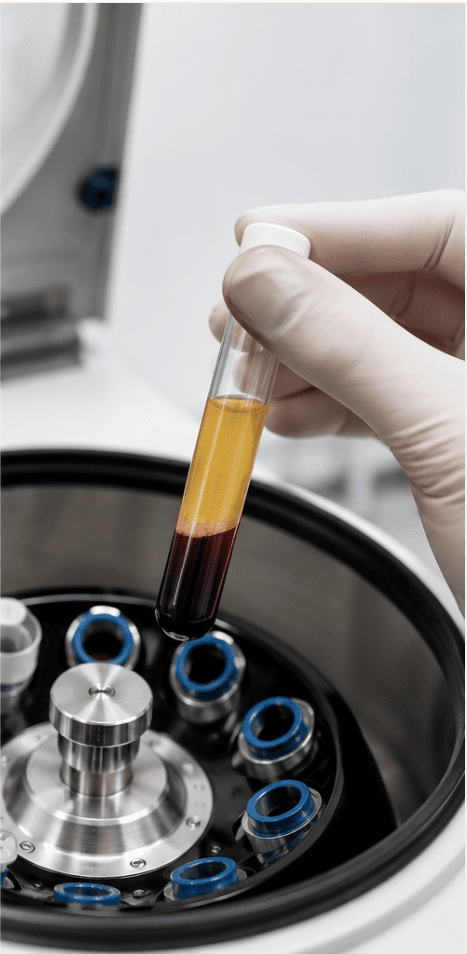
Regenerative medicine Rogers AR, offered at Restorative Wellness Center, harnesses the body’s natural healing abilities to treat complex conditions including TMJ disorders, joint pain, and craniofacial inflammation. Platelet-rich plasma (PRP) and platelet-rich fibrin (PRF) are two popular treatments within regenerative medicine that have gained widespread attention for their potential to accelerate tissue regeneration and repair injuries.
However, despite their similar-sounding names, PRF and PRP differ significantly in terms of composition, preparation process, and therapeutic effects. In this blog, we discuss these two therapies to provide a comprehensive understanding of PRF vs. PRP in regenerative medicine. From exploring the biological mechanisms behind each treatment to analyzing their clinical applications and efficacy, we aim to shed light on how these cutting-edge therapies can benefit patients seeking innovative alternatives for managing their health concerns.
The Key Differences of the Composition of PRF vs PRP
Platelet-rich fibrin (PRF) and platelet-rich plasma (PRP) are both derived from the patient’s own blood, but they have distinct differences in composition. PRF is a second-generation platelet concentrate. It is a fibrin matrix enriched with platelets, leukocytes, and growth factors.
On the other hand, PRP mainly consists of concentrated platelets suspended in plasma. While PRP is effective in promoting healing and tissue repair, it lacks the white blood cells and fibrin present in PRF, which are essential for wound healing and immune response regulation. Understanding these differences can help healthcare providers determine which treatment option is best suited for each individual patient based on their specific needs and desired outcomes.
How PRF Differs from PRP During the Preparation Process
PRF: Platelet-Rich Fibrin (PRF) involves a more natural way of preparing the regenerative material. The blood sample is spun at a lower speed compared to PRP, allowing for the separation of platelets and growth factors without the need for anticoagulants. This method results in a higher concentration of platelets but may also lead to increased levels of white blood cells.
PRP: Platelet-Rich Plasma (PRP), on the other hand, requires the addition of anticoagulants to prevent clotting during centrifugation. It contains a higher concentration of platelets compared to whole blood, but still has a substantial amount of liquid plasma and other components (like white blood cells, red blood cells, and fibrinogen).
Both techniques aim to harness the body’s healing capabilities by using patient-derived components. PRF’s slower spinning process produces a fibrin scaffold that PRP does not, which is why I reach for it when a longer acting matrix is the goal.
Clinical Applications of PRF and PRP in Regenerative Medicine
Platelet-Rich Fibrin (PRF) releases growth factors more slowly than Platelet-Rich Plasma (PRP), and its slower spin produces a fibrin scaffold that PRP does not. This prolonged release fosters tissue regeneration over an extended period, promoting long-term healing. In contrast, PRP provides a higher concentration of growth factors initially but lacks the sustained release that PRF offers.
PRP is commonly used in acute injuries and conditions requiring immediate tissue repair, thanks to its rapid delivery of growth factors. PRF’s slower spinning process produces a fibrin scaffold that PRP does not, which is why Dr. Benton reaches for it when a longer acting matrix is the goal. Understanding these distinctions helps healthcare providers tailor regenerative treatments to meet individual patient needs effectively.
Regenerative Medicine Rogers AR, Restoring Health Through Your Body’s Own Healing Power
At Restorative Wellness Center in Rogers, AR, Dr. Kyle Benton specializes in regenerative medicine, a cutting-edge approach to healing that harnesses the body’s own biological repair mechanisms rather than masking symptoms with medication. Regenerative medicine Rogers AR patients come to Dr. Benton seeking lasting solutions for chronic pain, tissue damage, and degenerative conditions affecting the jaw, joints, and connective tissues. Our regenerative therapies are scientifically grounded and personally tailored to each patient’s unique biology and treatment goals.
Our Regenerative Medicine Treatments in Rogers AR
Restorative Wellness Center offers regenerative joint injections using platelet-rich fibrin prepared from your own blood, biologics therapy, and SPG block therapy. Each treatment is intended to support the body’s own healing response and reduce chronic inflammation. Platelet based approaches have demonstrated significant promise in joint tissue regeneration. These treatments can be used individually or in combination as part of a customized regenerative medicine protocol crafted by Dr. Benton.
Who Benefits from Regenerative Medicine?
Patients experiencing TMJ disorder, craniofacial pain, joint instability, chronic headaches, or slow-healing injuries are ideal candidates for regenerative medicine. Many of our Rogers, AR patients have tried conventional treatments without long-term success and find that regenerative approaches offer a more sustainable path to recovery. Dr. Benton evaluates each patient thoroughly to determine which regenerative therapies are most appropriate for their specific condition and health history.
Why Choose Restorative Wellness Center for Regenerative Medicine in Rogers AR?
Dr. Kyle Benton brings specialized expertise in orofacial pain, TMJ disorders, and integrative healing to every regenerative medicine Rogers AR consultation. Our clinic takes a whole-body approach, addressing root causes of pain and dysfunction rather than simply managing symptoms. If you’re ready to explore how regenerative medicine can help you reclaim your quality of life, contact our Rogers, AR office to schedule a consultation today.
Frequently Asked Questions
What is regenerative medicine in dentistry?
Regenerative medicine uses the body’s own biological materials, including platelet-rich plasma (PRP), platelet-rich fibrin (PRF), and other biologics, prepared from a blood sample and reintroduced at the site being treated. In dentistry and orofacial pain treatment, regenerative techniques are applied to damaged joints, tendons, and connective tissues without surgery. At Restorative Wellness Center, our regenerative medicine team uses these techniques to treat TMJ disorders and craniofacial pain.
How is regenerative medicine used for TMJ treatment?
At Restorative Wellness Center, regenerative medicine for TMJ includes PRF and PRP injections into the temporomandibular joint. PRF is prepared from your own blood and concentrates growth factors above the levels found in whole blood. Whether it is appropriate is decided from your imaging and examination. These approaches address the structural root cause of TMJ dysfunction rather than masking symptoms with medication.
What is the difference between PRP, PRF, and biologics?
PRP (platelet-rich plasma) and PRF (platelet-rich fibrin) are both derived from the patient’s own blood and concentrated for growth factors. PRF is a second-generation technique that releases growth factors more slowly for sustained healing. Biologics is a broader term that includes these and other regenerative agents used to support tissue repair and immune modulation.
Is regenerative medicine covered by insurance?
Insurance coverage for regenerative medicine procedures such as PRF and PRP injections varies by plan, and coverage is not guaranteed, these services are often not covered by dental insurance, and coverage under medical insurance depends on diagnosis and documentation. Restorative Wellness Center is a cash-pay, out-of-network provider; we do not verify insurance benefits in advance of treatment. Patients may choose to seek reimbursement from their insurance plan after treatment using documentation we can provide upon request. We also offer financing options for patients whose treatment costs are not fully covered.
Who is a good candidate for regenerative medicine treatment?
Patients with chronic TMJ degeneration, condylar resorption, failed conventional treatment, or those seeking alternatives to surgery are often strong candidates. Dr. Benton conducts a comprehensive evaluation including CBCT imaging to determine whether regenerative approaches are appropriate for each patient’s specific condition.